
Good Nature News
Around the world, people are working hard to conserve endangered species. Here are some of their stories.
The Shy Monkey Is Not a Good Pet
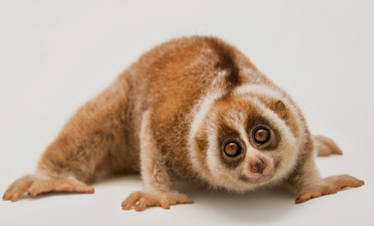
Photo by Joel Sartore for National Geographic
The countries in Southeast Asia host many rare species, including a tiny primate. Locals in Sarawak, Indonesia, call it Lajjabati Banor, a long name for one of the smallest primates in the world – it’s about a foot long from nose to tail. Lajjabati Banor means “shy monkey,” but it is generally known as the slow loris.
Slow lorises play an important role in their forest homes. Moving at night, they eat nectar, tree sap, and insects, pollinating plants and dispersing seeds along the way. Thus, they are biodiversity heroes in small packages.
However, their adorable appearance puts them at risk. Poachers capture and sell them into the worldwide network of smugglers in the illegal exotic pet trade. These criminals often tear out their teeth to make them safer to handle. To protect the slow loris, Bangladesh banned social media users from advertising, buying, or selling them. Other protective measures have been taken by global nature organizations in Sumatra, Java, and other countries where slow lorises live.
Surprisingly, these little furballs are dangerous! Unique among primates, they have venom that can injure or even kill other creatures, even humans. A gland on its arm is combined with saliva to form a perilous brew. “It is truly a dangerous pet,” said Anna Nekaris, professor and director of the Little Fireface Project.
Fun fact: the slow loris’s common name is Little Fireface!
Story by Dr. Linda Riebel.
Rescues on a Tiny Island
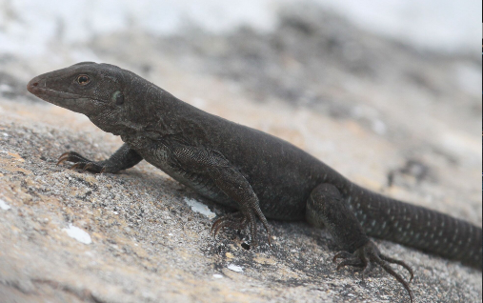
A Sombrero ground lizard (Pholidoscelis corvinus) photographed on Sombrero Island. © Richard Brown/Fauna & Flora.org
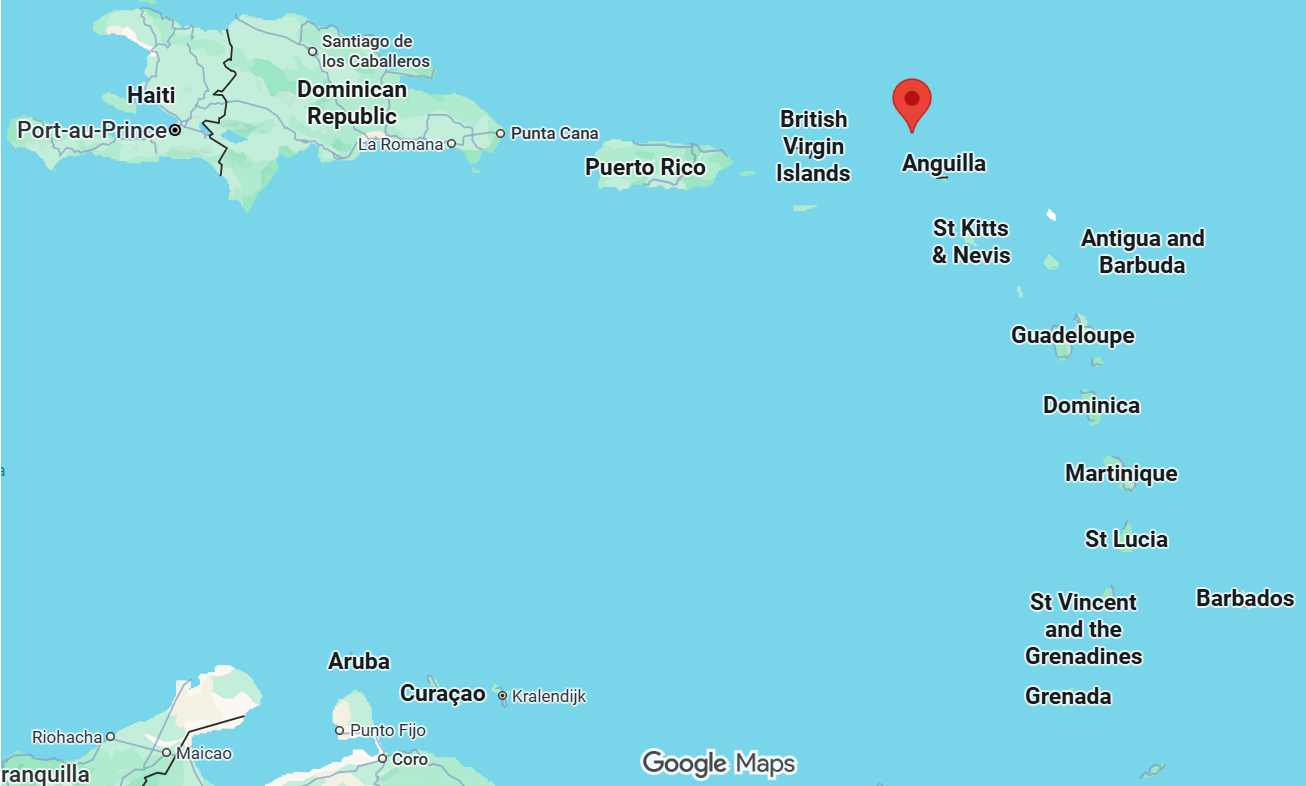
Map of the Caribbean Islands with Sombrero Island marked. Image retrieved from Google Maps.
Imagine a Caribbean island of only one fifteenth of a square mile, or about 94 acres. Now imagine that there are some unique lizards there that are found nowhere else in the world. The Sombrero ground lizard has been very endangered! Invasive mice, deforestation, mining for phosphates (used in fertilizer and animal feed) and severe hurricanes pushed them to the brink of extinction. A survey in 1999 estimated there were only about 400 left; in 2018, fewer than one hundred remained.
Luckily, help was on the way. The Anguilla National Trust and the non-profit organizations Fauna & Flora and Re:wild worked together to remove the mice and restore native vegetation. By 2024 there were 1,600 - that’s over 16 times as many as there were six years before!
“We were absolutely ecstatic when we analyzed the results of our population surveys and found this enormous increase in their numbers,” says Farah Mukhida, a natural resources manager and Executive Director at Anguilla National Trust.
You can see why these 8-inch lizards have been referred to as ‘miniature Komodo dragons’ ! Watch this 5-second video.
Other endangered species on the island have also been given a fighting chance, such as the colorful Sombrero Island bee, a pygmy gecko, and the Sombrero Island wind scorpion. The island itself has been declared pest-free and is much greener, as native plants including the sea bean, seagrape, and prickly pear are already showing healthy new growth.
Just as SaveNature.org has always said: Save individual species, but more important, save the ecosystem!
Story by Dr. Linda Riebel.
Fighting to bring back the Caspian Tiger
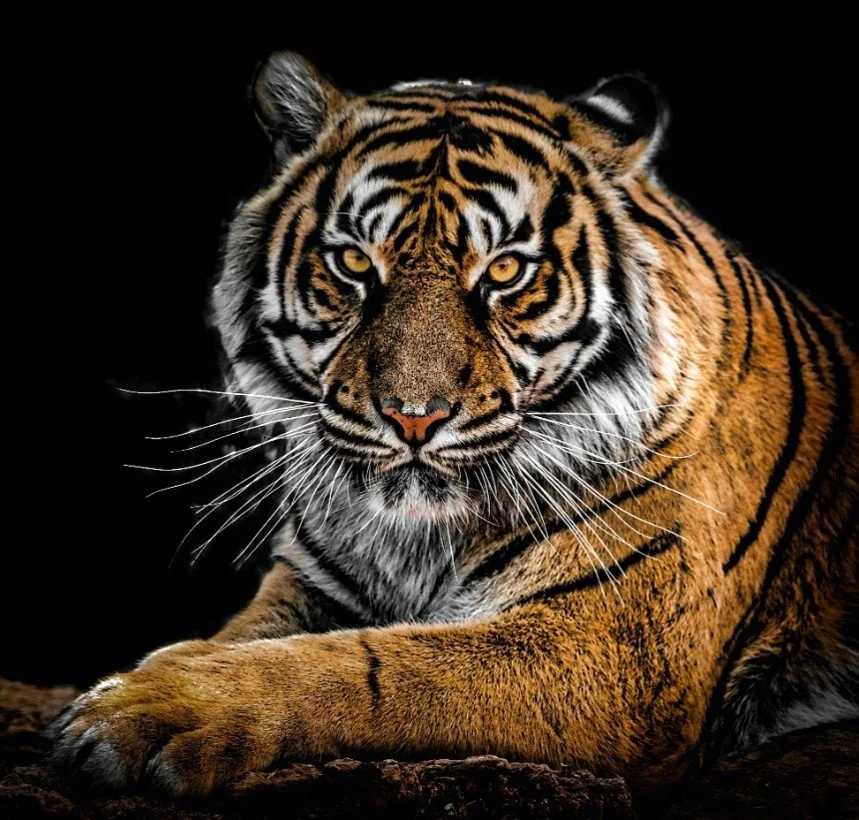
This handsome Caspian Tiger, native to several countries in central Asia, was declared extinct in part of its range, not seen there in 70 years. Why? Because of human hunting, habitat loss, and declines in the numbers of the animals they hunt for food.
What a tragic loss for this Central Asian country. So Kazakhstan decided to do something about it! In 2026, they planted 37,000 seedlings and tree cuttings to restore the ecosystem Caspian tigers used to live in, adding to the 50,000 they had already planted. In a breeding-and-release project, and two captive tigers (a male and a female) are already in Kazakhstan, and Russia is expected to transfer wild tigers there soon. This is the kind of long-term planning –rebuilding habitats -- that is bringing rare species back from the brink of extinction.
Info from Patrick Prester, LiveScience 2026. Photo by George Desipris. Shared by Dr. Linda Riebel.